
Ideas for better planning consultation
Insights on public consultation, community engagement and planning communications.

The planning system needs faster consultation, not less consultation
The pressure to accelerate decisions should improve how engagement is run but there are risks attached to reducing its importance.

Introducing ConsultOnline
Our new platform helps development teams hear from more of the people whose voices count when it comes to gaining planning consent.

How the National Scheme of Delegation will change consultation on planning applications
The National Scheme of Delegation comes into effect at the end of this month. This significant change in planning policy is a good opportunity for developers to rethink when and how they engage with communities. With fewer routes to a committee hearing, residents need meaningful opportunities to comment on proposals while there is still for their suggestions to have an impact and they need to see that this is available to them. For development teams, the priority should be to offer and promote earlier, better-evidenced consultation.

Planning reform may speed decisions but will not remove local concern
As government begins to regionalise, and in some respects centralise, parts of the planning system, those putting in a planning application should not assume that local engagement becomes less important – because it may become more so.
Working with new councillors
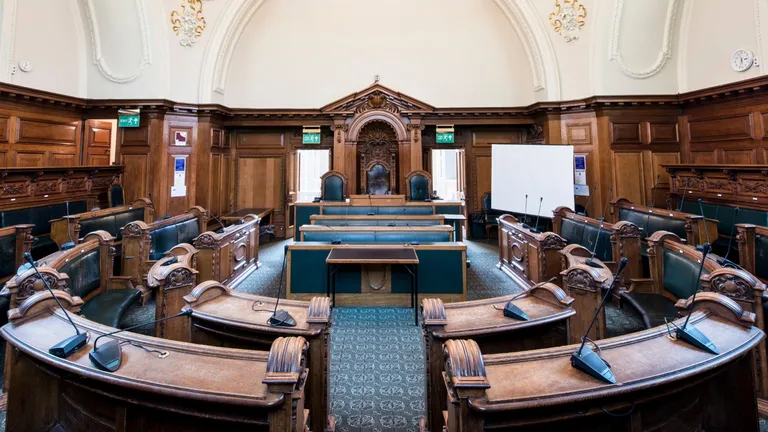
The recent local elections have seen a considerable influx of new councillors, which potentially introduces additional complexity for planning application decisions and local plans.

Delegated planning decisions and the growing importance of consultation
The government’s National Scheme of Delegation is intended to speed decision-making. For applicants, it makes early engagement and a clear planning narrative more important, not less.

AI and the Consultation Trap
Why planning needs new ground rules for the age of generated representations
The engagement challenges of Brownfield First
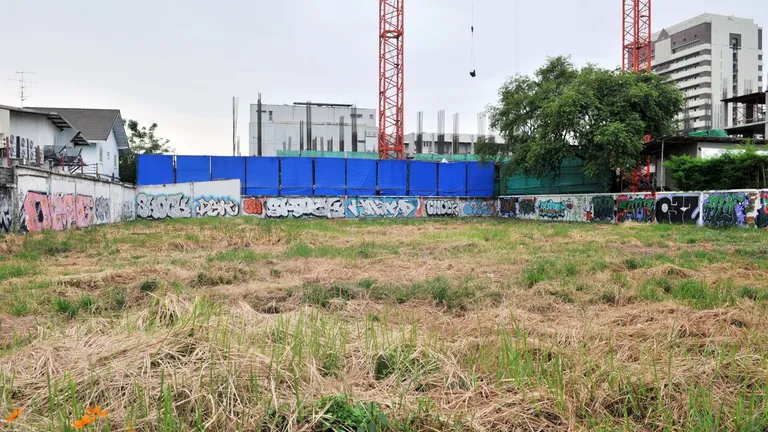
Brownfield development may be politically easier to support than greenfield release, but it still needs a clear planning narrative and credible engagement.

What do the local election results mean for communications on planning applications?
A change in political control does not usually mean that the planning system starts again. But it can change what applicants need to explain, who they need to reassure and where opposition is likely to gather.

From newsreels to networks
How public communication changed since the 1940s and why it matters for new towns now. From shared national stories to fragmented networks, AI-generated objections and the new demands this places on planning communications.

AI-powered objections are here: how should the planning and development sector respond?
The same technologies that make consultation more accessible can also automate objection. Planning promoters need to respond by making consultation easier to engage with, harder to manipulate and more transparent.

Addressing common challenges in consultation
Opposing factors and risks are common to public participation: the very notion that developers bring change to established local communities; the wide-ranging views which exist within a community; the sentiment of those wary of engagement and exponents of it. Significant time and financial resources are expended with no guarantee that the investment will be realised, ...